


After Forever, a sci-fi romantic dramedy, continues with this, its final instalment. The work is a narrative that’s set in a post-apocalyptic world where humans – as we know them – exist only as stored consciousnesses without physical bodies.
Chapter 7 of the story concludes the series, and serves as a culmination of introspective journeys and decisions about personal and collective futures. It wraps up the narrative by reflecting on the essence of existence and human connections in a new era.

In Chapter 6 of 'After Forever,' a conversation unfolds between the protagonist and Anax about their relationship and the decision to create new life. This chapter delves into memory, perception, and the evolution of identity in a post-apocalyptic world, highlighting the complexities of understanding and evolving within relationships in a world in which humans have no bodies.

After Forever, a sci-fi romantic dramedy, continues with this, its fifth instalment. The work is a narrative that’s set in a post-apocalyptic world where humans – as we know them – exist only as stored consciousnesses without physical bodies.
Chapter 5 of the story offers a deep philosophical exploration of life's meanings and expectations in a transformed world. The protagonist engages in introspection, questioning the purpose and significance of their actions, while pondering if they should have a child with their partner of ten years

Chapter 4 marks the halfway point of After Forever: a novel that’s set in a post-apocalyptic world where humans – as we know them – exist only as stored consciousnesses without physical bodies. This chapter centres on the protagonist's internal struggle over the decision to do the equivalent of creating new life in this dystopian world, or to use the parlance of the novel, ‘come together’.

Chapter 3 of 'After Forever' delves into the introspective lives of non-bodied beings. Exploring themes of emotion, consciousness, and the nature of thought, it contrasts their existence with human experiences, highlighting the impact of their artificial limitations in a thought-provoking narrative.

After Forever is a story of a post-apocalyptic world where humans are generated consciousnesses. Part 2 explores dynamics of love, existence, and humanity. In this part, our protagonist grapples with the decision to reproduce in this new world, while navigating a complex relationship with the enigmatic essayist Anax, who constantly wonders what it means to be human.

After Forever offers a glimpse into a post-apocalyptic future where humans are not born but artificially created due to our planet's hostile environment. The first part of the series provides a view of this world's complex social structures, ethical quandaries, and historic foundations. I start a personal exploration in this altered reality, where the meaning of being human undergoes constant redefinition.

In my latest story, the protagonist explores life's dichotomies – from love and longing to urban rush and suburban calm. As memories unfold in everyday places, a 'what if' recurs, prompting introspection. It's not merely a tale of relationships, but a reflection on how our choices and memories shape us.

A compilation of mini-pieces. 'Fred again.. – Actual Life' grapples with the philosophies of Schopenhauer and Nietzsche. 'Ruminations on lifting while watching All Quiet On The Western Front' considers the societal expectations of emotional response. 'Ready for afters' depicts the tension of the post-rave hours, while 'Interpol – Antics' dives into an introspection of evil.


Teeth of the Sea’s 2023 record, Hive, is one of my favourite records of the year. It’s a tightly produced alt-psych rock record. It’s low on lyrics, high on sonic exploration. And it manages to occupy this fairly unique space without sounding like a prog record (thank goodness).

I have yet to hear an underwhelming Thou record. A decade after Heathen, Thou’s 2024 release, Umbilical, is just as fantastic a representation of Thou’s brand of sludgy doom. Or is it doomy sludge?

Post-punk has made a strong resurgence of late. On some other occasion, I’ll list out some of the great post-punk records from the last few years here so I can better commit them to memory: Squid’s Bright Green World and the song Houseplants, Wet Leg’s self-titled records, Dry Cleaning’s New Long Leg and particularly the album opener Scratchcard Lanyard, others.

Nourished by Time’s Erotic Probiotic 2 is – far and away – my favourite record made in 2023. I love its simplicity, a feature it shares with Sleaford Mods’ UK GRIM, another favourite from 2023. However, it shares its vocabulary with synth-based R&B unlike UK GRIM’s post-punk.

In this piece, I navigate the intricate soundscapes of Pinegrove's Audiotree performance, set against the backdrop of the bustling city and its ubiquitous cafes. My exploration of indie studio sounds, alongside an introspective study of key indie bands, unravels a tale of life, hope, rejection, and the unending rhythm of the urban existence.

I don’t believe I’m in a position to share any facts about the band Basement except that, in the 2010s, they played lightly distorted mildly noisy alternative rock. And that in 2012, they recorded an album called Colourmeinkindness, which has a sound that serves as a great backing track for the part of one’s life that’s punctuated by deeply introspective walks in the blistering heat.

Wonder what the point of music is on the sixth of March, twenty twenty two. Wonder if it serves the same purpose it served fifty, eighty, one hundred, one thousand years ago. Maybe six thousand years ago, that age’s Leonard Cohen wrote wryly of the migration patterns of wildebeest. I’ve been working on new music over the past half year. Here’s a pleasant house cover of the Cure’s Just Like Heaven.

Fly Me There is the first peek into the music I’ve been making. It’s brisker than the music on my people are… This is a 120 bpm minimal house and techno inspired electronic exploration. Apart from various subgenres of electronic music, you will also find the obvious influence of Indian folk and classical music. The Nadaswaram features heavily.

The latest album from the curator of this mag: a mix of electronic music, trip-hop, downtempo, and Indian classical.

The fifth (and final) single from my album is a reworking of the first demo I released from what was in April just a ‘bunch of tracks’.

The fourth single from my upcoming album, my people… I derived inspiration from a particular memory of listening to Cody from the album on an evening alone in my hostel room more than a decade ago.

descent is a track about anxiety, and I, like many people, have had mental health on my mind for the past few days, because of the tragic death of Sushant Singh Rajput. The track (and the rest of my upcoming album) is about dealing with anxiety and trying to overcome it.

doves is the second single from my upcoming album, my people… doves is a meditation on the balance between positivity and awareness, especially in the context of isolation, anxiety, and hardship. It’s very much a song born out of the covid crisis, but attempts to negotiate with, and defeat, universal psychological demons.

dakshin 2 // the rebirth, the first song from my new album came from looking back to the land of my ancestors, Tamil Nadu.

Home is a ghost of our own creation: the cave – its lowly ancestor – recreated from some lost memory. Our predators are now nebulous, our prey has come to be served on china. Is it any surprise that our idea of home has become just as nebulous? Is it any wonder that home is no longer just somewhere to lay down our weapons, lick our wounds, share a quiet dinner with family?

The Boat approaches a story we’ve heard before in a way that both refrains from fetishising human suffering, and narrates it in a meaningful and unique way. A large part of this comes down to its craft: the writing, the music, the illustrations. But a large part of it also comes to its choice of medium – interactive multimedia storytelling.

With this Sonic Pi experiment, the idea was to a. see if I could compose an entire track on Sonic Pi, and b. see how easy or difficult such composition was. I set out to compose a minimal house track, now tentatively called Are Microwaves Friends? I used 808 and 909 samples to build the percussive spine of the track. For the bass and melodies, I used the preloaded synths.

To see how easy it was to arrange No Surprises by Radiohead on Sonic Pi. Every exploration has to start somewhere and my exploration of Sonic Pi has started with what I would classify as a successful attempt at coding a cover of No Surprises. Why No Surprises? Because I like it. And Sonic Pi’s default keys reminded me of the keys on the intro of the song.

Ever since I've known about live coding music, I've wanted to do it. And ever since I’ve wanted to do it, I’ve wanted to do it on Sonic Pi. But fact is, ‘ever since’ has been three laptops, eight years, zero code. Until now, that is. The prospects, I must say, are really exciting.

This a browser-based virtual room in which you can generate instrumental lo-fi hip-hop tracks that’s powered by machine learning models from magenta.js. A room loads with multiple items in it: a guitar, a keyboard, a bass guitar, a TV, a radio, view outside, etc. You tinker with each of these to either change the way the room looks or the music that’s being played.

Each generation sees itself at a media crossroads. I was part of the first generation of Indians that had free access to a liberalised television media landscape. The next will be the first generation that is not only at a media crossroads but also at the cusp of seeing boundaries between media dissolve.

My first attempt at co-writing a coherent story on the Dragon model of AI Dungeon, which uses OpenAI's new API for leveraging the GPT-3 model, which was trained with approximately one trillion words.

The GPT-2 powered AI Dungeon is a text-based story game, where every bit of text you input, say ‘you walk towards the forest’, or ‘you search for food’ gets the game to move the plot along. It’s fascinating.

Just purely as an experiment on societal norms, at what point would the average human bean find not crying in the cinema weirder than crying in one. How deep must the tragedy pictured be, how profound the sense of loss, how unbearable the pain of two dee characters, before your average dudebro thinks not crying would be perceived as a sign of serious apathy, psychopathy / sociopathy even.

The first thing anyone who talks about Adam Curtis online will tell you is that he isn’t for everyone. The second is that he’s likely seen as an asset by the BBC. The third is likely a remark about his distinctive style – the collage of images and video, a narrative style combining facts with his editorialising of them, and the ironic juxtaposition of soundtrack and video.
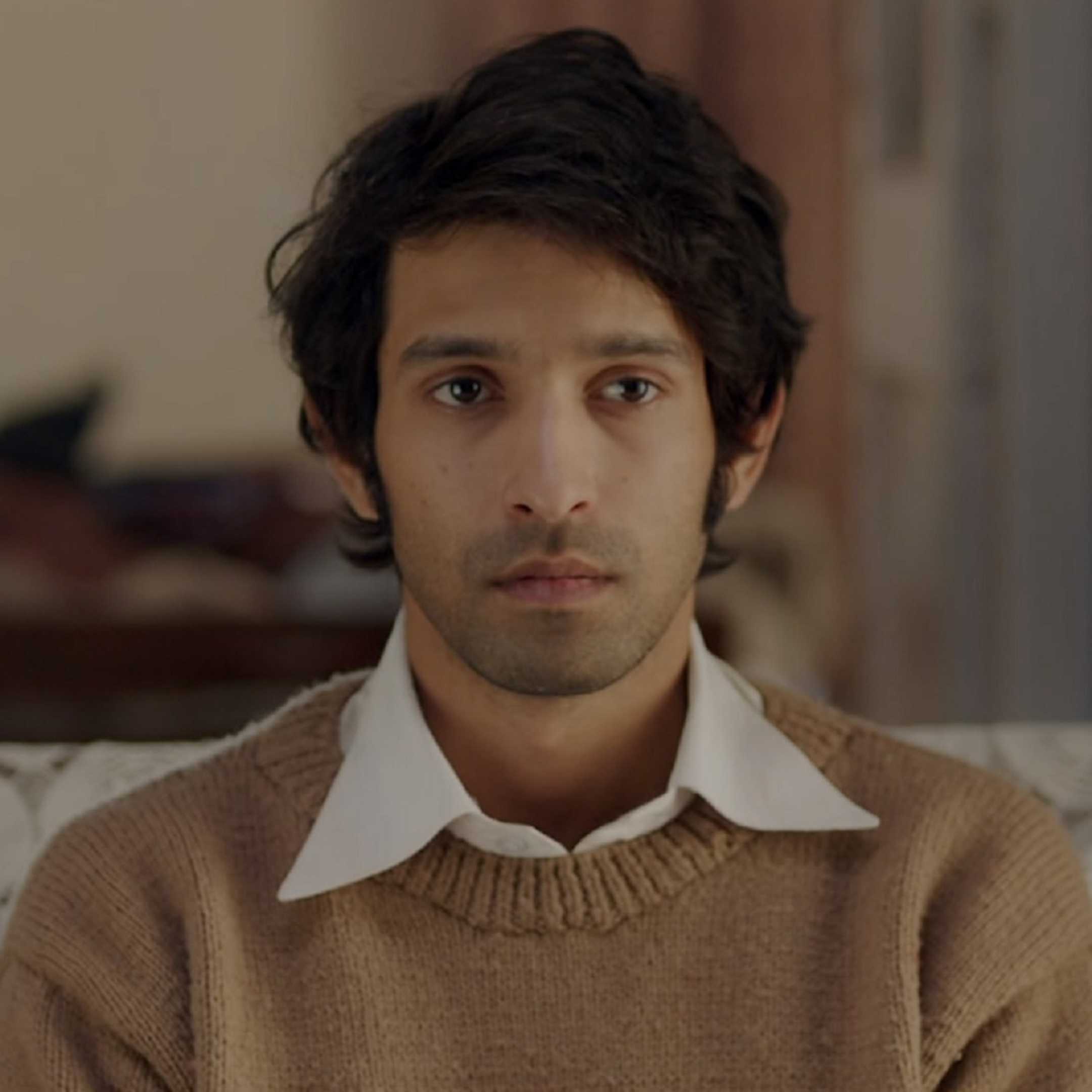
Earlier today, I watched A Death in the Gunj for the second time in my life. I can safely say it’s among my favourite movies ever. A lot can be said about Konkona Sen Sharma’s direction and Vikrant Massey’s turn as the reticent, soft-spoken Shutu. But here's what made my viewings powerful experiences: the characters, their growth, and the movie's themes. Akhil Srivatsan writes.
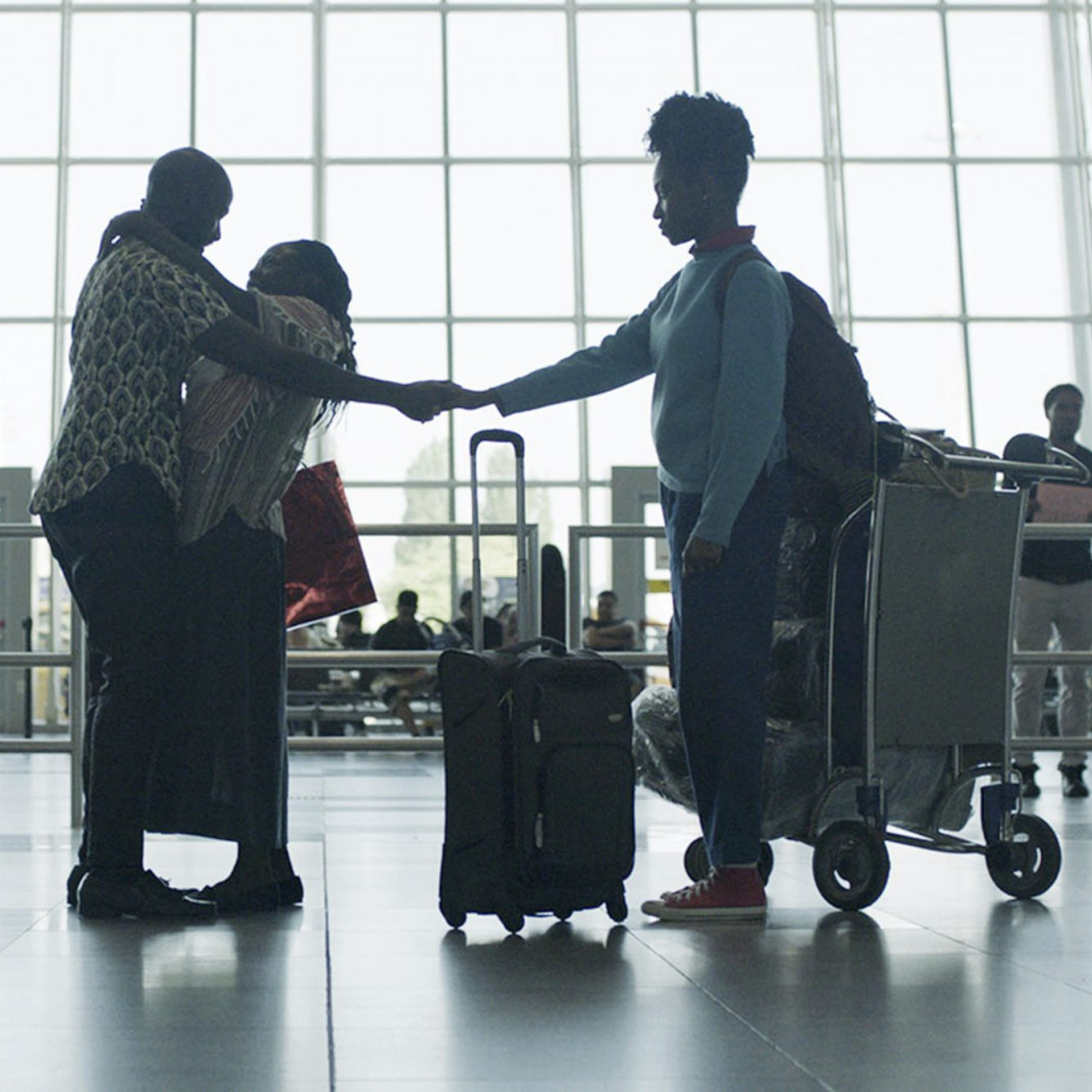
Due to a bloody civil war in their native Angola, a young couple, Walter and Esther, is separated. Walter emigrates to the US, working as a New York taxi driver, and Esther and their daughter Sylvia live as refugees in Tanzania. After Walter spends seventeen years petitioning the Immigration Office to allow Esther and Sylvia into the country, the family is finally reunited.
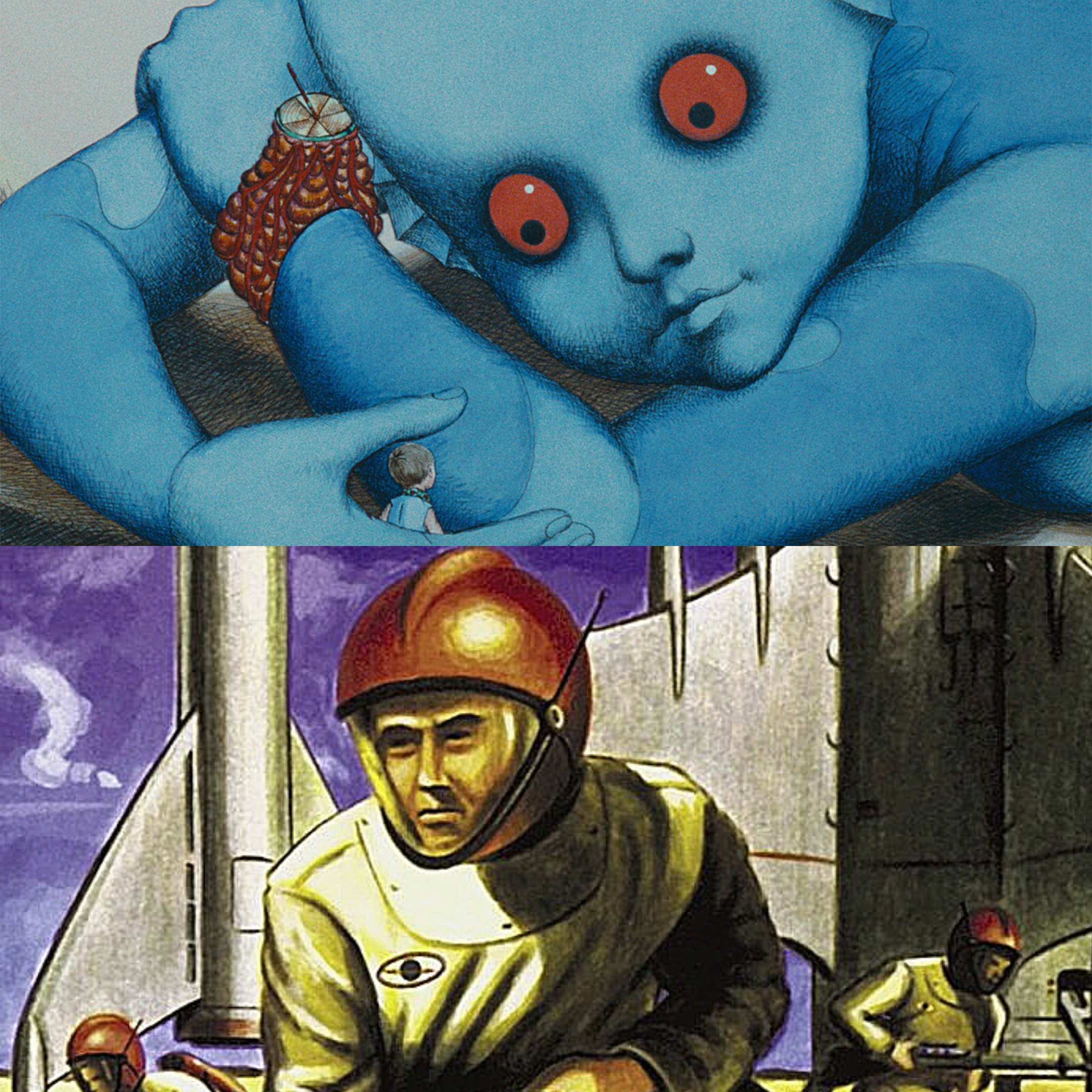
This is the story of two Fantastic Planets. While there’s no doubt that the album draws inspiration from the film, it’s nowhere near relevant to the album’s themes, its noisy alt sound, or really even its ‘feel’. The film, like most parables, ends on a note of reconciliation, a stable equilibrium. The album is as off-kilter as ever in its final minutes.
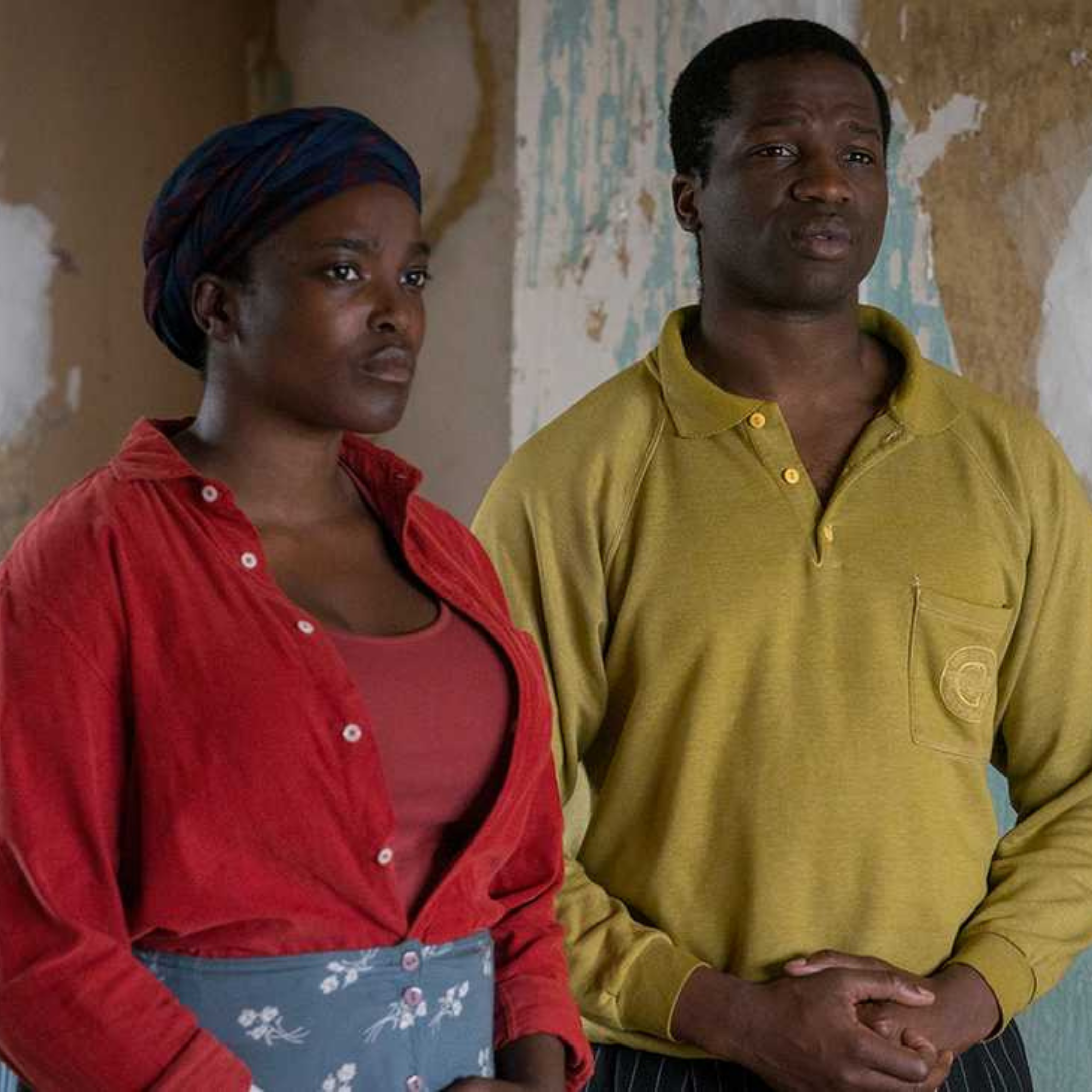
His House is ostensibly a horror movie about a refugee couple, Bol and Rial, that escapes South Sudan’s civil war to find themselves confined in a haunted house in the back alleys of a UK suburb. Almost right from night one, things start to go bump, and the differing reactions of Bol and Rial (played expertly by Sope Dirisu and Wunmi Mosaku) form the backbone of the movie.

It was with a creeping fear of impending doom that I approached Fall of Civilizations TV by Paul Cooper. To be clear, I recognise this fear as paranoia. I don’t actually think the world is coming to an end. I do believe we’re at an inflection point as a civilisation. Our civilisation may not be collapsing around us, but the way we live is certainly changing irrevocably.

Charlie Kaufman’s i’m thinking of ending things is a movie that explores the art of storytelling in cinema with inventive story structures and great performances by Jessie Buckley, Jesse Plemons, Toni Collette and David Thewlis. Themes include the influence of traditional media, loneliness, and depression. It’s a fascinating film.